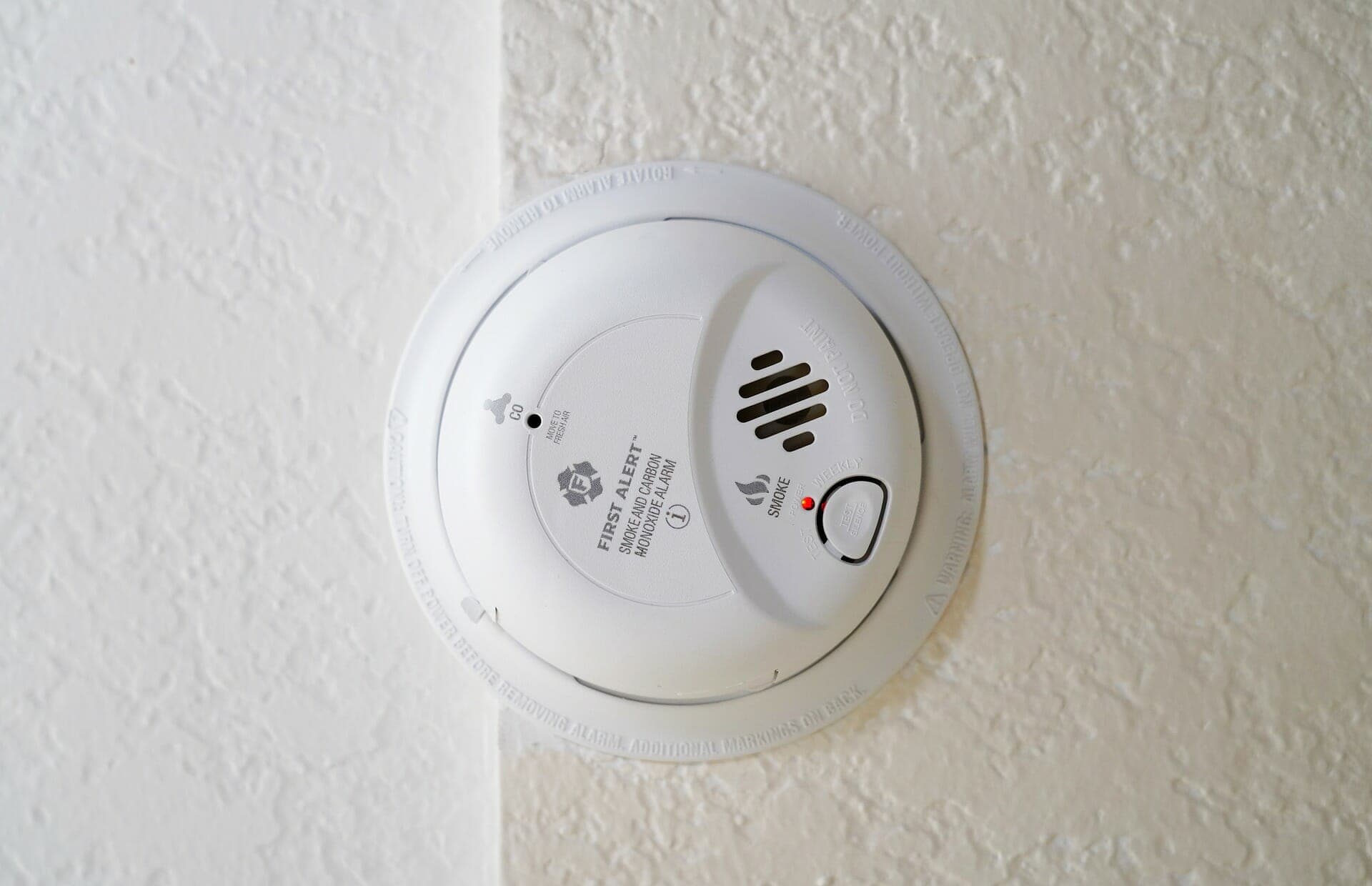
Smoke and Carbon Monoxide Detector Requirements for Landlords
From 1 October 2022 the rules on smoke and carbon monoxide alarms in rented homes changed. A practical breakdown of what landlords must do, how often to test, and the penalties for non-compliance.
Since 2015 landlords in England have been required to:
- ensure smoke alarms are installed in all residential accommodation
- ensure carbon monoxide alarms are fitted in every room with a solid fuel heating
appliance.
From 1 October 2022, the legislation will be updated, expanding the number of rooms which
require a carbon monoxide alarm to be fitted.
These regulations apply to all types of rented residential accommodation and are included in HMO
licences. Failure to comply with the regulations can lead to a civil penalty being imposed of up to
£5,000.
The requirements are imposed on the immediate landlord of the tenant. It also extends to any
tenancies that were granted through subletting.
In addition, as this is now a mandatory licensing condition, if the property requires a mandatory,
additional or selective licence, then it is the responsibility of the licence holder to ensure that
these alarms are fitted in the property and in working order at the outset of the tenancy.
Similar requirements are set to be introduced in Wales once the Renting Homes Wales Act is
brought into force.
Smoke alarms
The landlord must ensure that a smoke alarm is installed on each storey of the premises on which
there is a room used wholly or partly as living accommodation.
Rooms used as living accommodation include lounges, dining rooms, kitchens, bathrooms and
separate toilets. It also includes a hall or landing, as well as mezzanines containing a room used for
living accommodation.
For individual flats located on one floor there needs to be at least one alarm on each storey of the
premises.
Ideally, the alarm should be a mains-wired, interconnected alarm system to ensure.
Carbon monoxide alarms
Landlords must ensure that there is a carbon monoxide alarm fitted in any room that is:
- used partly or wholly as living accommodation, and
- contains any appliance which burns, or is capable of burning, solid fuel.
This includes log and coal burning stoves and open fires (even when not in use), but does not
include gas and oil boilers. If an open fireplace is purely decorative or blocked off, it is not covered
by the regulations.
From 1 October 2022, all properties will be expected to have a carbon monoxide detector fitted
in every room with a fuel burning appliance. This INCLUDES rooms containing a gas or oil
burning appliance.
The only exception to this is are rooms where the only fuel burning appliance is a gas cooker.
Ensuring alarms are in working order
The landlord is required to carry out a check to ensure that smoke alarms and carbon monoxide
alarms are in proper working order on the day a tenancy begins where it is a new tenancy.
For these purposes a new tenancy does not include a tenancy which was granted where the
original agreement was entered into before 1 October 2015; this means it does not include
renewals or periodic statutory tenancy which arises when a fixed term shorthold tenancy ends.
Despite this, there is an ongoing obligation to ensure that any smoke alarm or carbon monoxide
alarm installed meets these requirements is in working order. Alarms should therefore be checked
periodically to see that they are working properly.
From 1 October 2022 if a landlord is notified by a tenant of a defective smoke or CO alarm you
are required to investigate and repair or replace the item as soon as reasonably possible.
Under the current requirements, landlords are only responsible for ensuring the alarms are
working at the start of a new tenancy.
Which premises do not require a smoke or carbon monoxide alarm?
There are some exemptions where these regulations do not apply:
- A tenancy under which the tenant shares any accommodation with the landlord or a
member of the landlord's family. There must be sharing of an amenity which includes a
toilet, personal washing facilities, a kitchen or a living room but excludes any reference to
storage or access. - A tenancy which is let on a long lease
- Student halls of residence
- Hostels
- Care homes
- Hospitals
- Accommodation relating to health care provision
Who is responsible for enforcement?
The local authority the property is situated in is responsible for enforcement.
They must serve a remedial notice within 21 days where they have reason to believe that the
landlord is in breach of any of these regulations relating to smoke alarms or carbon monoxide
alarms. A remedial notice must specify the action to be taken within 28 days of the date the notice
was served.
You can make representations to the local authority within 28 days of receipt of the remedial
notice. Once this has been done, the notice is suspended until the local authority reviews their
decision and notifies you of the outcome.
The outcome of the review must be provided in writing no later than 35 days after the original
notice was served. If not, the notice is considered to be withdrawn.
If the notice is confirmed after review, landlords will then have 21 days to address the contents of
the notice and fix the issues identified.
There is an excuse for a landlord for non-compliance with the notice if the landlord can show that
he has taken reasonable steps to comply with the duty, but the landlord is not required to take
legal proceedings. This could cover a situation where the tenant refuses access to allow the work
to be done.
Penalties
If a landlord is in breach of the regulations, the local authority may require the landlord to pay a
penalty charge of up to a maximum of £5,000. It has discretion to impose this charge and must
serve a penalty charge notice within six weeks from when first satisfied that a breach has
occurred. A right to make representations against the penalty notice is given and the local
authority may reduce the charge for prompt payment.
For licensed properties, failure to comply with this regulation is a breach of a mandatory
condition. This carries a potential civil penalty of up to £30,000.
Appeals
If the local authority upholds a penalty charge notice there is a right to appeal to the First Tier
Tribunal. Grounds of appeal are:
- The local authority has made an error of fact or law
- The amount of penalty charge is unreasonable
- The decision to impose a penalty is unreasonable for any other reason
Payment of the penalty is suspended pending an appeal.
Each local authority must publish a statement of principles which will be followed in determining
the amount of any penalty charge. This statement will be taken into account in deciding on an
individual penalty for a particular case.
Frequently asked questions
Which rooms must have a carbon monoxide alarm?
Any room used as living accommodation that contains a fixed combustion appliance, except gas cookers. This now covers gas boilers, fires, and any solid fuel appliance.
Who is responsible for testing the alarms?
Landlords must ensure alarms are in working order on the day a tenancy starts. After that the tenant is expected to test them regularly and report faults to the landlord.
What is the penalty for non-compliance?
Local authorities can impose civil penalties of up to £5,000 per breach. They will issue a remedial notice first and the landlord typically has 28 days to comply.
Related guides
Landlords – Are You Complying With Electrical Safety Regulations?
A landlord checklist for the Electrical Safety Standards Regulations 2020 — what an EICR must cover, who can carry one out, how often, and what tenants need to be told.
Legal & RegulatoryElectrical Safety Checks to Become Compulsory on 1 April 2020
From 1 April 2020 every private rental in England must have a valid Electrical Installation Condition Report (EICR). What the regulations cover and the timeline for compliance.
Legal & RegulatoryHealth and Safety Obligations for Landlords
Landlords carry a legal duty of care for the people living in their property. The headline gas, electrical, fire, water, asbestos and PAT checks every landlord should be making.
Need a hand with your property?
Talk to a local agent — book a free valuation or just ask a question.